









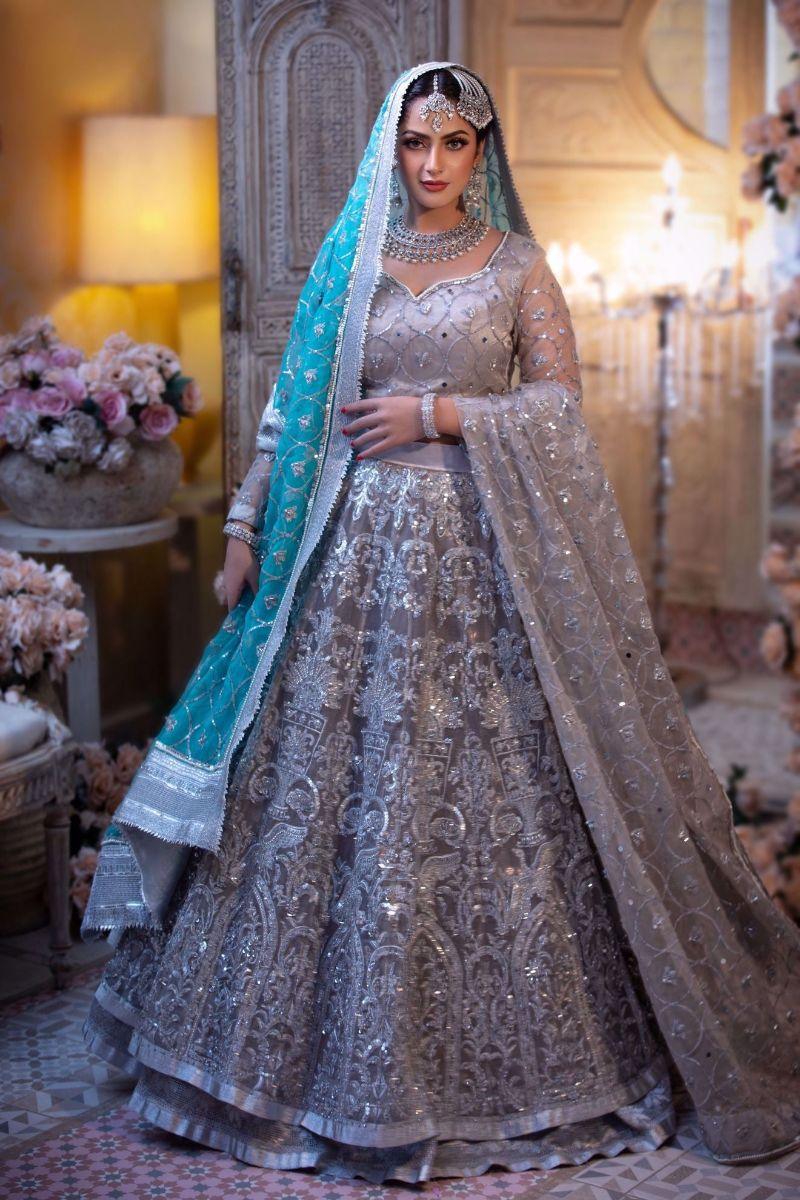
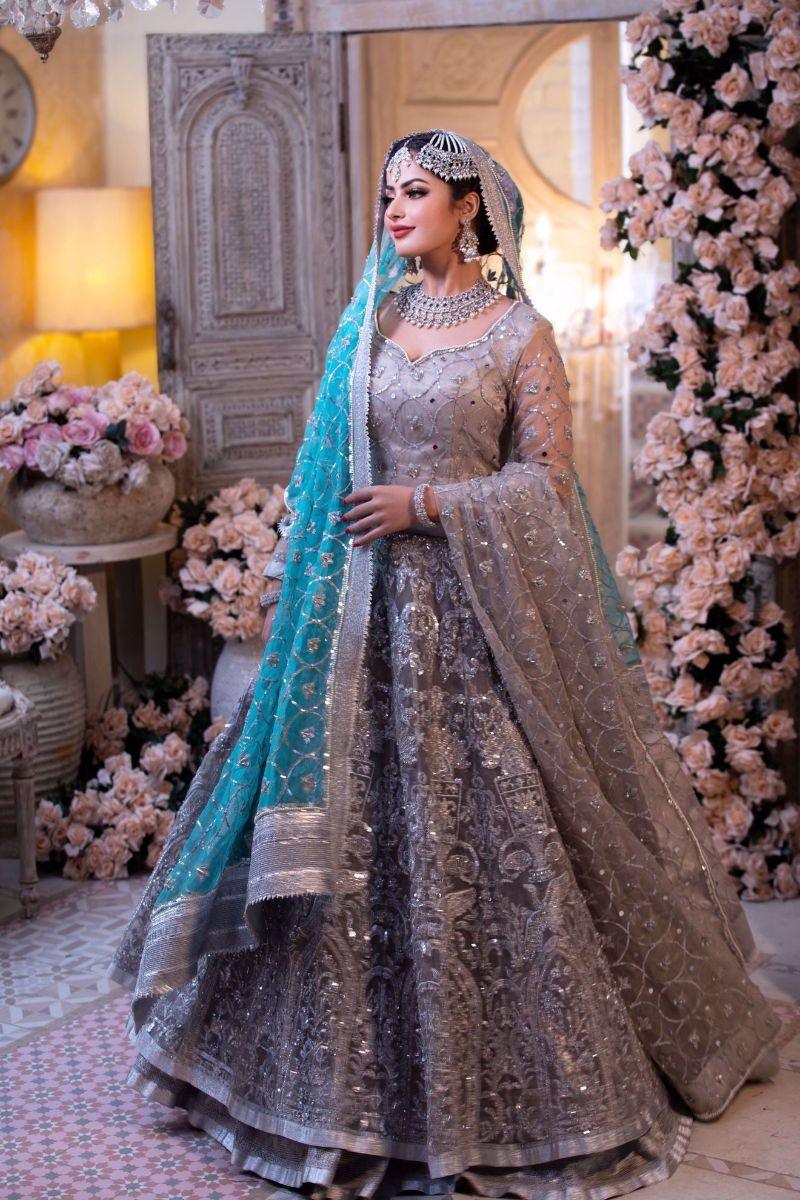


Pakistani bridal dresses combine formal tailoring, layered textiles and detailed handwork. The category includes lehenga cholis, pishwas, ghararas, shararas, long shirts and bridal maxis for nikkah, mehndi, baraat and walima events.
At Studio by TCS, shoppers can compare ready-to-wear, unstitched and made-to-order bridal designs. The right choice depends on the event, fabric, fit and delivery time.
What Makes Pakistani Bridal Dresses Different?
Pakistani bridal wear is usually built as coordinated separates. A complete outfit may include a blouse or shirt, lehenga or trouser, and dupatta. Each layer can use a different fabric, colour or embroidery method.
This construction helps control weight and movement. A worked blouse may be paired with a printed skirt or lighter organza dupatta.
Brides often choose a different silhouette, colour and level of embellishment for each wedding ceremony.
Which Bridal Dress Suits Each Wedding Event?
Nikkah
Nikkah dresses often use lighter colours and controlled volume. Ivory, blush, pale gold and muted pastels remain common.
A straight shirt suits a smaller ceremony, while a lightly structured lehenga adds formality. Check whether pale fabrics include lining.
Mehndi and Mayun
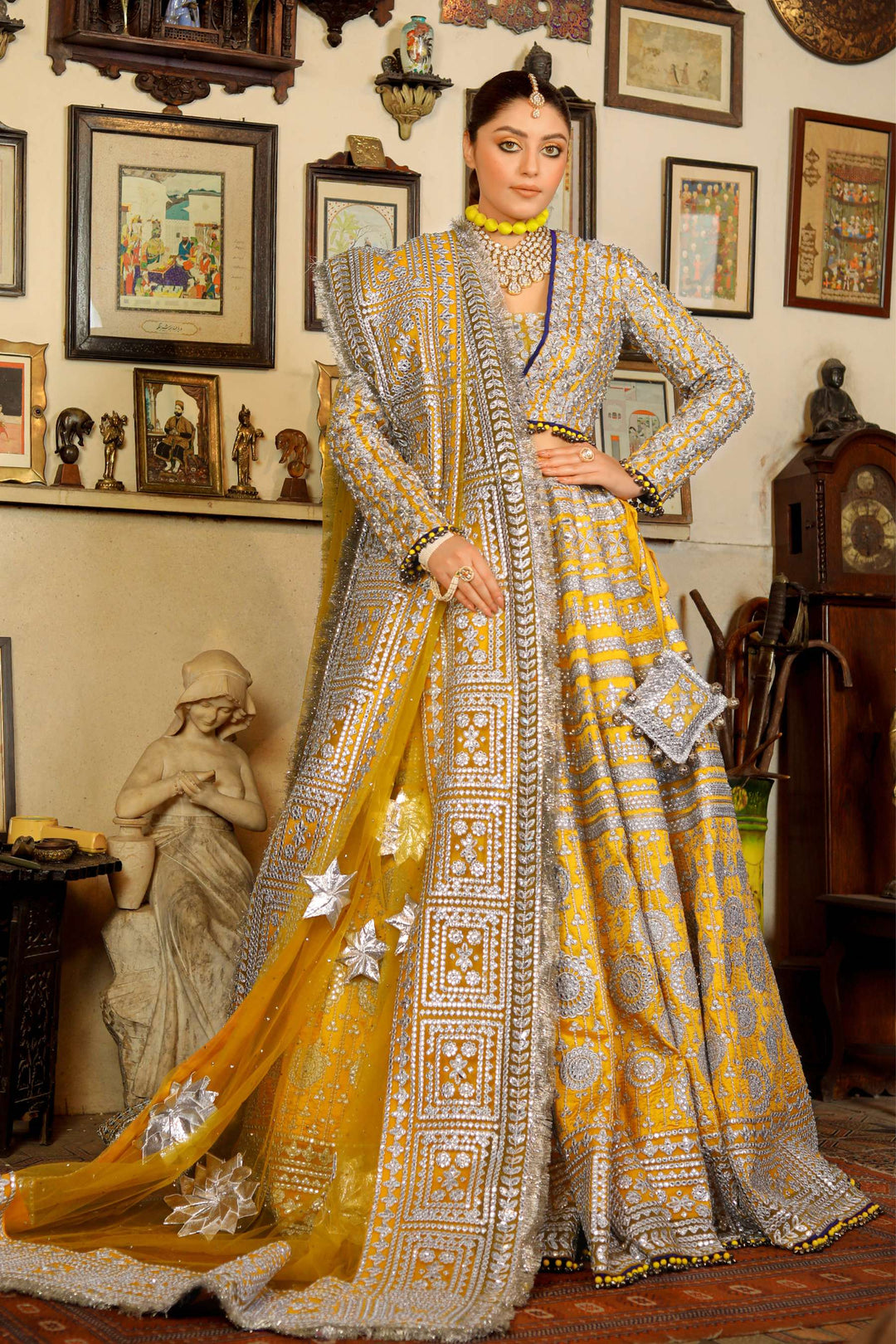
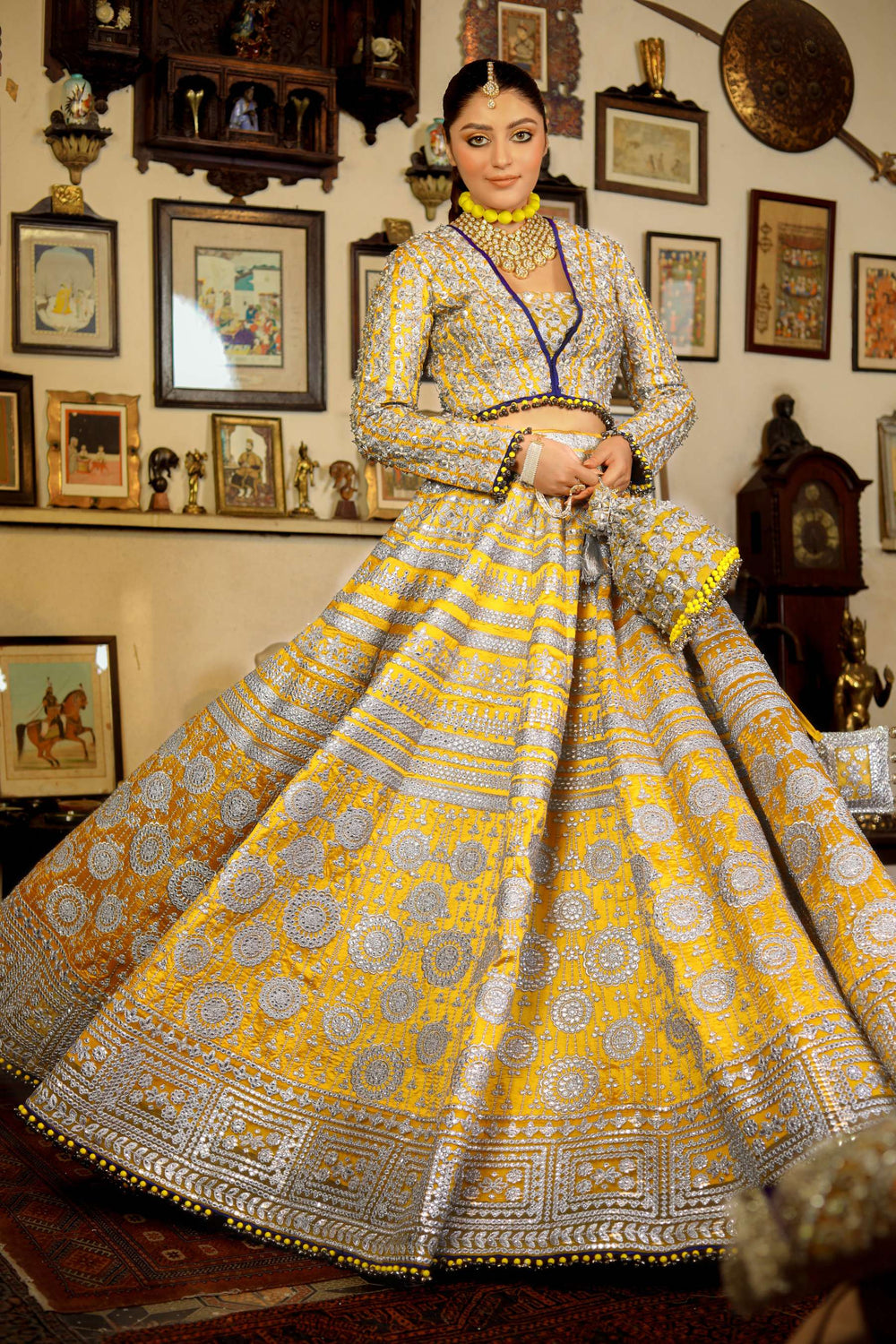
Mehndi clothing often uses yellow, green, orange, turquoise and pink. Lighter construction makes movement easier.
Maria Osama Khan’s current pieces reflect this approach. Designs such as Ishmal, Liyana and Zariya use grip silk, organza, printed lehengas, gota and sequins.
Baraat
Baraat outfits usually carry the most concentrated embroidery and structure. Red and maroon remain important, alongside rust, plum, green, pink and gold.
Velvet, raw silk and tissue support dense handwork well. Zahra Ahmad’s Red Glory uses a velvet lehenga, sequinned choli and embroidered organza dupatta.
Check where the heaviest embroidery sits. Work around side seams and waistbands can make alterations difficult.
Walima and Reception
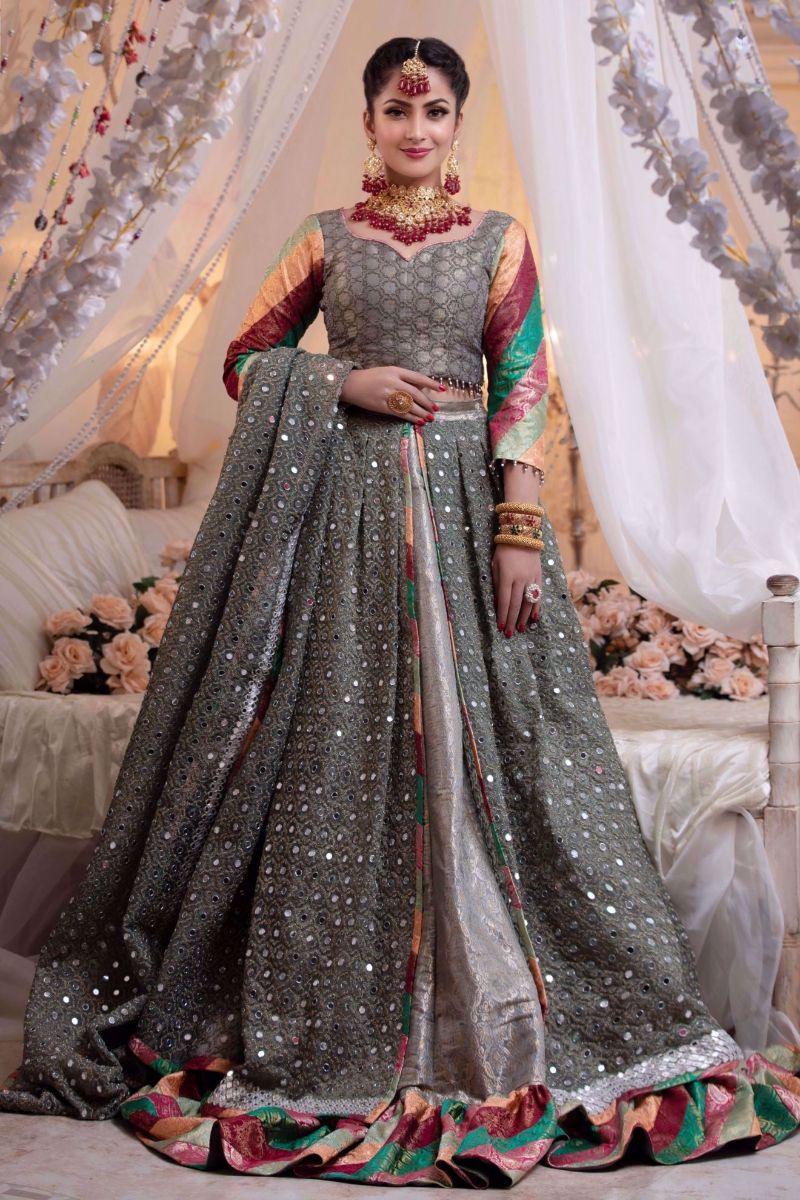
Walima dresses often use silver, grey, blue, teal and muted pink. Softer contrast suits evening settings.
Reema Ahsan’s bridal pieces combine raw silk, net, velvet, botanical embroidery and digital print. Inspect side and back photographs because layered skirts may look different from the front.
Common Pakistani Bridal Silhouettes
A lehenga choli combines a fitted blouse with a circular, panelled, gathered or pleated skirt. It creates a defined waist.
A pishwas is a long flared garment made from several panels, often called kalis. A bridal maxi may use a similar outline with gown-style seams.
A gharara fits from the waist towards the knee, then flares below a visible knee joint. A sharara remains wider through the upper leg. A gharara therefore needs more accurate thigh and knee measurements.
Which Fabrics Are Used in Pakistani Bridal Wear?
Raw silk has a firm texture and holds structured shirts, trousers and lehengas well. Grip silk is smoother and more fluid, making it suitable for gathered skirts.
Tissue silk has a crisp, reflective surface. It creates volume but can crease and catch on jewellery.
Velvet supports dense embroidery and gives dark colours greater depth. It suits winter events but can feel warm under stage lighting.
Organza is sheer and crisp, so it holds borders well. Net is softer but can catch on stones and metalwork.
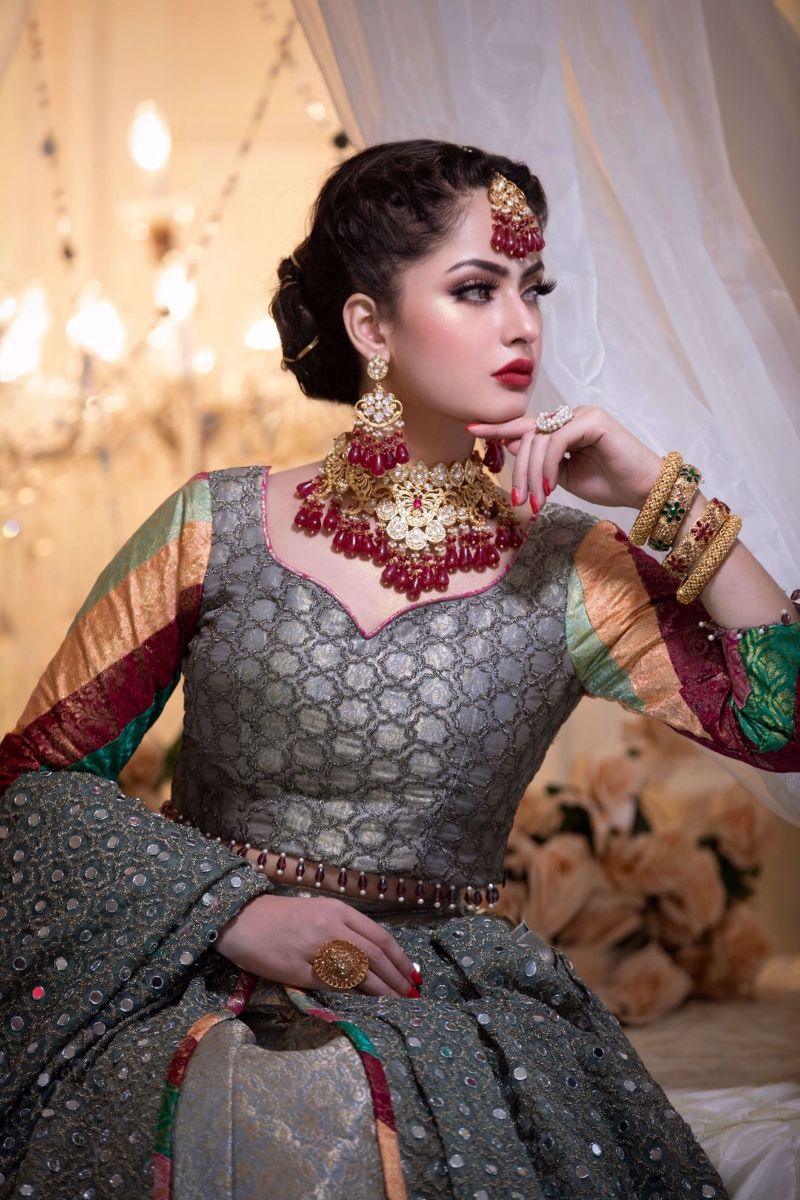
Jamawar is a patterned woven fabric rather than a printed textile. Zahra Ahmad’s QH-006 combines jamawar with chatta patti and mirror work.
What Do Bridal Embroidery Terms Mean?
Zardozi is metal-thread embroidery using raised decorative elements. Dabka and naqshi are coiled metallic components stitched onto fabric.
Gota patti uses folded metallic ribbon to create borders, flowers and geometric motifs. Resham refers to silk-style thread embroidery, while tilla forms metallic lines and outlines.
Panni and mirror work create sharp reflected points. Their edges should remain smooth and secure.
Check whether stones, pearls and sequins are stitched or glued. Stitched embellishments are usually easier to repair.
Which Designers Feature at Studio by TCS?
The current bridal category includes pieces from Maria Osama Khan, Zahra Ahmad, Reema Ahsan, Alishba Kashif, Arif Ashraf, Leon and Malook.
Maria Osama Khan focuses on colourful mehndi dressing, printed skirts and mixed handwork. Zahra Ahmad works across velvet, raw silk, organza and jamawar.
Reema Ahsan combines formal construction with botanical embroidery and print. Alishba Kashif uses pleating and controlled surface work.
Arif Ashraf uses tissue silk, net, panni and handmade gota. Leon combines velvet with chiffon silk and raised metal embroidery. Malook uses tie-dye silk, crystals, pearls and zardozi.
How Much Do Pakistani Bridal Dresses Cost?
Pakistani bridal dresses with prices vary widely. Cost depends on fabric, handwork, designer, construction, customisation and production time.
Studio by TCS includes formal pieces, mid-range designer outfits and made-to-order sets. Some products have separate stitched, unstitched or dupatta-inclusive prices.
Check whether the price includes the blouse, skirt, trousers, lining, sleeves, dupatta and stitching. Also allow for alterations and possible customs charges.
How to Buy Pakistani Bridal Dresses Online
Start with the wedding date and work backwards. Add time for production, international shipping, customs and final alterations.
Use the designer’s own size chart because Pakistani sizing is not standard. Measure the bust, waist, hips, shoulder, armhole, sleeve and full garment length.
Wear the intended undergarments while measuring. For lehengas, measure from the waistband to the floor while wearing the planned shoes.
Read the inclusion list carefully. Photos may show belts, jewellery or dupattas that are not included.
Ready-to-wear follows a set size. Unstitched clothing requires an experienced tailor. Made-to-order pieces have longer lead times and often stricter return conditions.
Ask for finished garment measurements and alteration allowance. Dense embroidery near side seams and hems can limit later changes.
Common Buying Mistakes
Do not choose a size only from your usual UK or US label. Compare measurements for every designer.
Do not ignore weight. Metalwork, stones, velvet and long trails can affect comfort and luggage.
Do not submit measurements before choosing shoes and support garments. Heel height and shapewear affect the final fit.
Care and Storage
Follow the designer’s care label. Bridal outfits often combine materials that react differently to heat, water and solvents.
Use a cleaner experienced with bridal textiles. After wear, air the garment in a shaded room.
Store components separately with acid-free tissue or clean cotton. Keep metalwork away from delicate net and organza.
Avoid long-term storage in plastic. Heavy skirts should usually be stored flat.
Shop Pakistani Bridal Dresses at Studio by TCS
Studio by TCS brings several Pakistani designers into one international storefront. Customers can compare modern Pakistani bridal dresses by silhouette, fabric, handwork, size, price and lead time.
Before ordering, review the size chart, production estimate, included components and return terms. Custom pieces may have different conditions from ready-to-wear clothing.
Related collections include lehenga choli, wedding wear, luxury pret, pishwas, gharara, dupattas and men’s sherwani.